
This is paragraph text. Click it or hit the Manage Text button to change the font, color, size, format, and more. To set up site-wide paragraph and title styles, go to Site Theme.
QUICK NAVIGATION BAR
CLICK A TILE TO GO DIRECTLY TO THE RELEVANT SECTION








CRITICAL PROJECT FALLING BEHIND?
Context

Critical projects lose direction, delivery focus and senior stakeholder confidence when progress slows, milestones are missed, dependency failures compound, suppliers underperform, issues escalate, risk exposure increases, unplanned costs are incurred and governance focus shifts from delivery progress to issue resolution.
As pressures build, leadership no longer has a reliable or clear view of delivery risk, recovery feasibility, cost exposure, milestone confidence, whether the project remains deliverable under the current plan, or the consequential impact on the wider organisation.
These situations are usually caused by a combination of delivery, planning, governance, supplier, dependency, resourcing, reporting and decision-making problems.
A project initially presents as missed milestones and schedule slippage, but the underlying issues are usually loss of delivery control, directional drift, cascading interconnected issues, scope creep, drifting accountability, poorly timed escalation, unresolved dependencies, inadequate supplier performance, incomplete planning assumptions, insufficient delivery capacity and a changed risk profile.
When a critical project moves off track, the visible symptoms emerge before the full underlying root causes are understood.
Milestones repeatedly move to the right. Each movement creates a corresponding knock-on effect across dependent activity, delivery commitments, risk exposure, cost control, supplier activity, stakeholder expectations and the wider organisation dependent on the delivery.
Delivery teams are then forced to become reactive while still trying to maintain progress. As activity continues, delivery control weakens and directional drift increases.
More effort is subsequently consumed by chasing issues, explaining movement, managing escalations and responding to immediate delivery pressure.
Reporting also changes. Updates that previously focused on delivery progress become increasingly dominated by issue management, risk explanation, dependency failure, revised dates, recovery assumptions, escalation activity and cost control. Governance attention shifts from delivery oversight to issue resolution.
As cascading delays solidify, the risk profile and issue profile increase, but ownership is not always clear enough to restore control. Dependencies remain unresolved, accountability becomes harder to enforce and decision-making becomes slower or repeatedly revisited.
Executive stakeholders then begin to question the true delivery position. Senior leaders receive updates that describe activity, but do not provide enough assurance, visibility or transparency about whether the project remains deliverable, what has changed, what risk exposure now exists, what decisions are required and what additional cost exposure has been created.
Project recovery and stabilisation intervention is required when routine project management is no longer sufficient to restore control, confidence or delivery momentum.
In these circumstances, leadership needs an independent assessment of what is happening, where the project actually is, the end state of the project based on the current trajectory, why delivery control has fallen, what the new risk and cost exposure is, which escalation priorities matter most, what key decisions are required and what practical recovery options are available.
Bentley Moore Executive supports organisations where critical project delivery has moved beyond routine project management and requires independent review, rapid stabilisation, recovery planning, delivery control and senior-level intervention.
Issues and Symptoms

Organisations typically require project recovery and stabilisation support when one or more of the following issues present.
Delivery, Milestone and Schedule Symptoms
· critical project milestones are slipping;
· delivery dates are repeatedly moving to the right;
· the project is drifting from its original direction;
· delivery focus is weakening;
· the project plan is no longer a reliable guide to delivery;
· the critical path is unstable, unclear or no longer trusted;
· delivery teams are becoming reactive rather than controlled;
· issue resolution is consuming more time than planned delivery activity;
· scope creep is weakening focus, control and delivery discipline.
Dependency, Risk and Control Symptoms
· missed dependencies are emerging, unresolved or poorly controlled;
· delay in one activity is creating knock-on effects across other tasks, workstreams, suppliers or operational
areas;
· risks, issues, assumptions and dependencies are increasing without sufficient control;
· the project’s risk profile has changed materially since the original plan was approved;
· ownership of the emerging picture across delivery actions, dependencies, risks and issue resolution is
unclear;
· accountability is drifting between delivery teams, suppliers, sponsors or governance forums;
· escalation routes are unclear, delayed or ineffective.
Governance, Reporting and Decision-Making Symptoms
· project status has moved to amber-red or red;
· delivery confidence is deteriorating;
· senior stakeholders no longer have confidence in the project position;
· governance attention has shifted from delivery oversight to issue management;
· reporting describes activity but does not provide a reliable view of delivery risk, recovery feasibility or
milestone confidence;
· reporting is unclear, inconsistent, disputed or overly optimistic;
· key decisions are delayed, repeatedly revisited or made without sufficient insight or delivery evidence;
· key and senior stakeholders no longer agree on the true delivery position;
· leadership does not have a clear view of how bad the situation is, what has changed, the current trajectory,
what decisions are required or whether the project remains deliverable.
Supplier, Resourcing and Delivery-Capacity Symptoms
· suppliers, service integrators, systems integrators or delivery partners are not performing as expected;
· the impact of drift, slippage and shifting priorities is weakening supplier delivery effectiveness;
· supplier delay, poor quality, weak responsiveness or contested accountability is affecting delivery
confidence;
· delivery capability, capacity or resourcing is insufficient to meet project demands as emerging issues
solidify;
· business readiness, operational readiness or service transition readiness is not keeping pace with project
delivery.
Cost, Benefits and Recovery Symptoms
· unplanned costs are increasing without equivalent delivery progress;
· unplanned costs are creating executive concern over cost containment and affordability;
· expected benefits, outputs or operational outcomes are delayed, weakened or no longer credible under the
current delivery path;
· non-delivery, delayed delivery or descoping is affecting the benefits case and undermining the business
case on which the work is predicated;
· recovery activity is being discussed but is not yet controlled through a clear stabilisation or recovery plan;
· the organisation needs an independent project review, delivery assurance review, project health check or
project rescue assessment.
Why Project Delivery Failure Matters and the Risks

Delivery Control and Project Viability
Project delivery failure matters because it creates an interconnected set of delivery, governance, dependency, cost, supplier, operational and stakeholder-control impacts and risks that affect both the project and the wider organisation dependent on the project delivery outcome.
When a critical project reaches the point where recovery and stabilisation support is necessary, loss of delivery control has already become critical. The original plan is no longer reliable enough to guide delivery with confidence, repeated milestone slippage has created additional dependency pressure, issue resolution is consuming management attention and leadership needs a clearer view of whether the project remains deliverable and at what additional cost.
Leadership Visibility and Delivery Confidence
Project slippage also changes the nature of the information provided to leadership. It raises questions about whether the current plan remains realistic, whether the delivery team has enough capacity, whether supplier commitments remain credible, whether dependencies are being controlled, whether costs remain affordable and whether the expected benefits or business case remain achievable under the current trajectory.
Milestone Slippage and Critical Path Instability
As delivery dates repeatedly move to the right, the critical path becomes less trustworthy as an indicator of assured delivery. Tasks fall out of sequence, dependent activity is delayed, supplier commitments are disrupted and delivery teams are forced to shift focus and re-plan around issue resolution. This increases delivery risk because each missed milestone creates further lateral and downstream consequences across work still dependent on the original timetable.
The project’s risk profile increases as delay in one activity affects dependent activities, places further pressure on suppliers and delivery teams, increases the quantity and severity of dependencies needing resolution and produces cumulative risk and impact across the wider project environment and the organisation dependent on the delivery.
Governance, Reporting and Decision-Making Risk
Governance requirements and risk-control pressure increase as reporting becomes focused on explaining movement, managing issues and revising understanding of the current delivery position, rather than providing a reliable view of delivery confidence.
Project boards and senior stakeholders then receive information that describes activity, but does not provide a coherent overall picture or enough assurance about delivery feasibility, recovery feasibility, milestone credibility, cost exposure, the new risk exposure, dependency control or the decisions required to restore control.
Decision-making risk and impact increase when the organisation no longer has a clear view of the true project position. Decisions are delayed, repeatedly revisited or made without sufficient delivery evidence, causing greater negative impacts. This weakens recovery because the project continues to consume time, money, supplier effort and stakeholder attention before leadership has established whether the current delivery model remains viable.
Commercial, Financial and Benefits Risk
Commercial and financial exposure increases as unplanned costs grow without equivalent delivery progress. Supplier costs, change requests, internal resourcing costs, re-planning activity, extended delivery timelines and delayed benefits create affordability pressure.
Confident cost containment becomes harder because the organisation is funding both continued delivery activity and the additional effort required to manage slippage, issue resolution and recovery.
The risk of not achieving planned benefits also increases. Delayed delivery, non-delivery or de-scoping materially impacts the benefits case and undermines the business case on which the project was approved. Expected savings, efficiencies, operational improvements, service outcomes or strategic benefits become delayed, reduced or no longer feasible under the current trajectory.
Supplier and Delivery-Partner Risk
Supplier and delivery-partner risk increases where project drift, shifting priorities, unclear accountability or unresolved dependencies affect supplier effectiveness. Supplier delay, poor quality, weak responsiveness or contested ownership then becomes part of the recovery problem rather than a separate delivery issue.
Where suppliers, service integrators, systems integrators or delivery partners are central to the project, recovery requires better understanding and clearer control over responsibilities, dependencies, commitments, escalation routes and delivery evidence.
Operational and Business-Readiness Risk
Operational and business-readiness risk and impact increase when the project is still moving, but the receiving organisation is no longer aligned to a reliable delivery timetable. Business readiness, operational readiness, service transition readiness, user preparation, process change, training, support arrangements and dependent operational activity become harder to coordinate when the project plan is unstable.
Stakeholder Confidence and Recovery Control
Stakeholder confidence falls as senior leaders, sponsors, delivery teams, suppliers and business stakeholders stop sharing the same view of the project position. Once confidence fails, recovery becomes harder because the organisation must restore trust in the delivery facts before it can restore confidence in the recovery plan.
Without timely intervention, the organisation continues to operate inside an unclear high-risk, high-cost, high-impact delivery position. Costs increase, risks compound, milestones continue to move, supplier and dependency issues become more difficult to control, benefits confidence weakens and executive decision-making shifts from delivery leadership to containment.
Effective project recovery and stabilisation establishes the real delivery position, the current trajectory, the changed risk profile, the cost exposure, the dependency impact, the supplier position, the decisions required and the practical options available to restore control.
Relevant Experience and Evidence

Bentley Moore Executive’s project recovery and stabilisation capability is based on direct experience across UK central government, financial services, regulated delivery environments, systems integrators, service integrators, multi-supplier operating models, service transition environments, supplier-led delivery, technical delivery environments, business-critical operational projects and urgent troubleshooting situations where delivery control, governance, supplier accountability, cost control, stakeholder confidence, delivery feasibility or operational continuity required strengthening.
The examples below demonstrate direct project recovery, project stabilisation, urgent delivery intervention, troubleshooting, delivery control, governance repair, supplier control, dependency management, operational readiness, delivery assurance and senior-level decision-support experience across mixed-sector environments.
They include direct project recovery and stabilisation examples where failing, distressed or business-critical projects required due diligence, recovery planning, governance reset, supplier control, executive escalation, cost assessment, delivery re-planning and practical intervention.
They also include wider programme and delivery situations directly relevant to project recovery and stabilisation, where weak governance, supplier dependency, unclear accountability, operational urgency, cost exposure or fragmented control required structured intervention and practical delivery leadership.
Relevant examples include:
- DVSA finance insource project recovery and stabilisation;
- Deutsche Bank global data storage project recovery;
- Defra Avian Influenza emergency mobilisation;
- Defra EU FVO Beef Export Ban compliance and Animal Information delivery recovery;
- Defra infrastructure capacity crisis;
- DVSA SIAM, service transition and delivery stabilisation environment;
- HM Treasury / CGI service transition, SIAM and multi-workstream delivery advisory environment;
- Deutsche Bank global supplier governance and licence-control transformation delivery.
Experience and Evidence
at a Glance

Direct Project Recovery and Stabilisation Examples
The Drivers and Vehicles Standards Agency (The DVSA)
The DVSA Finance Insource Project Recovery and Stabilisation
The DVSA finance insource project is a direct project recovery and stabilisation example.
The project had been running for approximately two years before intervention, was behind schedule, lacked effective project leadership, was under-resourced, had insufficient budget and had incomplete, out of date, low-quality RAID information that had not been meaningfully reviewed for around nine months.
The project also had poor and unaudited, poor decision-making, absent business change ownership, incomplete project documentation, insufficiently validated scope, insufficient dependency management and governance arrangements that were not providing sufficient control.
A six-week due diligence exercise was undertaken to establish the true project position, identify the interconnected finance, scope, business change, resourcing, supplier, documentation, governance and delivery-control issues, and define a practical recovery route.
A critical issue was also identified that had been missed for approximately 2 years. This issue affected the project’s ability to deliver its primary purpose: transferring approximately £15m of legacy funding into the insourced finance function and translating money-on-account into paid-for MOT slots for MOT test centres across the UK.
The recovery intervention required C-level escalation, a business case for additional budget, supplier performance evaluation, monthly reporting, additional resources, refreshed project documentation, formal validation of scope and delivery approach, new governance, support for project executive decision-making, validated PMO reporting and a supplier recovery plan with forward behaviours agreement.
The project was stabilised over several months, returned to green status and was then handed over to a less senior and lower-cost project manager.
Deutsche Bank
Deutsche Bank Global Data Storage Project Recovery
The Deutsche Bank global data storage project is a direct project recovery example involving technical delivery, supplier dependency, contract interpretation, cost exposure, storage capacity, executive options appraisal and recovery planning.
The project had entered crisis following the £750M HP outsource. The contract stipulated a specific type of data storage solution, including 3PAR and other storage arrangements, from a defined manufacturer. Between contract negotiation and contract signature, the stipulated data storage solution was discontinued.
HP, as the new incumbent supplier, presented options that created significant commercial and operational consequences. Deutsche Bank could accept a new manufacturer offering providing a like-for-like replacement at significantly higher cost, accept reduced storage capacity within the originally agreed budget, or identify and cost a new replacement solution that could become the contractual solution in place of the obsolete original solution.
The project was already in progress when the internal business lead, who ran the data storage service within Deutsche Bank London, attempted and quickly failed to complete the assessment. The recovery requirement was then assigned to Bentley Moore Executive’s Principal Consultant to recover the work.
The recovery work involved a comprehensive due diligence exercise and swift assessment of existing and projected global data storage requirements, historic costs, expected costs, budget position, defined contractual requirements, available storage options and supplier proposals.
The work also identified efficiencies, cost savings, reductions in usage and opportunities to apply different tiers of storage to meet business requirements at different cost levels. Available options were down-selected to two viable solutions. Cost savings were identified and used to offset the purchase of the new storage solution.
An options and recommendations report was created, including the preferred option, delivery timelines, implementation considerations, HP delivery obligations, governance requirements and SLA changes that needed to be added to the contract. The recommendations were reviewed at executive level, a decision was made and the project continued into delivery of the savings and the new solution.
Department for the Environment Food & Rural Affairs (DEFRA)
Urgent Stabilisation and Troubleshooting Examples
Defra Avian Influenza National Emergency Mobilisation and Urgent Delivery Stabilisation
The Defra Avian Influenza national emergency example demonstrates urgent delivery stabilisation in a national emergency environment where operational delivery, governance visibility and rapid mobilisation were required under pressure.
The situation required immediate mobilisation of delivery capability in circumstances where normal planning cycles were incapable of meeting the need. The delivery environment involved national disease-response activity, senior stakeholder visibility, supplier involvement, operational urgency, cross-organisational coordination, immediate financial sign-off and the need to establish delivery control quickly.
This was not a routine project delivery environment. The work sat within a national emergency response context where delay, unclear coordination, insufficient mobilisation and fragmented delivery control would have affected the organisation’s ability to respond effectively to a time-critical national disease-control situation.
The intervention required rapid assessment of the delivery requirement, mobilisation of delivery activity, coordination across organisations and relevant stakeholders, engagement with governance and supplier participants, practical delivery leadership, supplier mobilisation and immediate financial sign-off to establish control.
The emphasis was on creating a controlled delivery response quickly. This required aligning activity, clarifying what needed to happen, supporting urgent mobilisation, coordinating across organisational boundaries, giving senior stakeholders a clearer view of the delivery position and maintaining cost control in fast-moving circumstances.
The work also required moving the situation away from extended analysis, slow BAU mobilisation and fragmented ownership, towards practical rapid delivery action capable of supporting the national emergency response.
This example is relevant to project recovery and stabilisation because critical projects in trouble require the ability to assess the situation quickly, establish control, align stakeholders, coordinate suppliers or delivery partners, support senior-level visibility and move from uncertainty into controlled intervention.
The Defra EU Food & Veterinary Office (FVO) Beef Export Ban Compliance and Animal Information
The Defra EU Food & Veterinary Office (FVO) Beef Export Ban Compliance and Animal Information example demonstrates project recovery and delivery intervention in an environment where a long-running project had effectively run into extreme difficulties and was going to fail without practical intervention to move from policy-led activity into controlled delivery.
The project had been running for several years and was not ultimately going to achieve the necessary technical delivery requirement changes it was set up to deliver.
It was being led by policy people who understood the policy and compliance requirements, but did not have the technical, project delivery or cross-organisation knowledge and experience necessary to translate those requirements into an effective delivery approach.
The delivery situation involved specific audited EU FVO compliance requirements, cross-organisation animal information systems, data, data aggregation, systems and data interoperability, operational coordination, process weaknesses, wider data and systems considerations, and the need to correct a number of shortcomings that had resulted in the UK being non-compliant with EU requirements in the first place.
The project had material national and economic consequences because the delivery failure affected the UK’s ability to satisfy the required compliance position connected to the beef export ban and was costing the UK approximately £1.1bn per annum in compensation payments to farmers who could not export British beef.
Over ten years, this represented approximately £11.1bn of cost exposure. Further non-compliance at the next audit would have resulted in several more years of additional cost exposure. Defra therefore had to deliver this project.
The issue was therefore not limited to an internal project delay. It affected policy delivery, operational coordination, compliance confidence and the wider UK economic position associated with the ban.
Consequently, intervention was not optional. It was necessary.
The intervention required establishing the current status, why the project had failed to deliver after prolonged activity, where the delivery approach was not working, the quality and completeness of the requirements across technical, business and governance areas, what practical activities were required to move the work towards the required outcome, and engagement with the Senior Executive Committee and Board within the Defra Animal Health and Welfare Directorate.
The work required a clear understanding of the end-to-end process, the operational requirements, the cross-organisation coordination requirements, the cross-organisation governance requirements, the compliance position, the data and systems environments, the roles and responsibilities of the participating parties, the business change and process changes necessary, and the delivery actions needed to achieve the required result.
The intervention moved the situation away from the existing policy-led approach and focused on a practical delivery approach. This required assuming leadership control of the project, clarifying the delivery route, establishing the cross-organisation coordination needed, aligning the required operational activity, the supplier and relevant resources, defining the organisation changes, defining the process changes, and focusing on the key delivery actions necessary to satisfy the compliance requirement.
This example is relevant to project recovery and stabilisation because critical projects in trouble frequently require intervention when the policy, business or strategic requirement is understood, but the project lacks the delivery leadership, delivery structure, operational coordination or practical implementation route needed to achieve the intended outcome.
Defra Infrastructure Data Storage Capacity Crisis
The Defra infrastructure capacity crisis example demonstrates urgent technical delivery intervention in an environment where infrastructure capacity risk, supplier oversight weakness and declining utilisation created a serious threat to operational continuity and service reliability.
The situation involved a critical infrastructure environment where data storage capacity utilisation had reached critical levels and the usage levels had not been identified, which consequently meant the issue had not been escalated and was not being controlled effectively by the supplier or by Defra Service Management.
By the time the issue was discovered, it was already critical, with an unacceptably short period of time left before utilisation reached 100%, which would have affected all of Defra operations and the arms-length bodies operations that Defra provided shared service infrastructure for.
This issue exposed a critical weakness in delivery assurance, supplier monitoring, technical governance and operational risk management.
The supplier had not identified or flagged the declining utilisation position early enough to prevent the issue becoming an organisation-wide, business-critical delivery and operational risk.
This created the need for urgent intervention to clearly understand the issue, establish how much time was available to rectify the position based on current utilisation and projected demand, establish the technical position, understand the scale of exposure, assess the operational consequences, identify what process and accountability changes were required within Service Management, and determine what practical action was required to prevent the issue causing a catastrophic issue for Defra technology and infrastructure.
The delivery risk was material because the impact was extensive and far-reaching. Defra has a GB scope, covering England, Scotland and Wales, with substantial ongoing responsibilities across animal health, farming, environment, plant health, animal vaccinations and the food chain that relied on the creation, storage and ready availability of data, all of which was predicated on there being sufficient data capacity to carry out its day-to-day responsibilities.
If not addressed, the infrastructure data-storage capacity issue would have created a cascading series of catastrophic operational consequences, affecting service reliability, operational continuity, user confidence, supplier accountability, the organisation’s ability to maintain stable technology services and significant reputational damage.
The intervention required assessment of the technical position, clarification of the existing utilisation issue, review of historic utilisation trends across the preceding five years, validation and challenge to supplier and service-management assumptions, review of the relevant delivery controls and identification of the action plan required to eliminate the risk.
The work also required moving the issue from a poorly surfaced technical concern into a controlled process, governance, delivery and operational risk position.
This meant establishing the root causes of the failure, what changes were necessary across organisation, business, technology, process, operations and service management responsibilities to ensure that it could not happen again, and what process, governance, reporting, accountability, cost and escalation arrangements were required, including a clearly defined escalation path should a critical issue of this type occur again.
This example is relevant to BAU project recovery and stabilisation because troubled projects frequently deteriorate where technical dependencies, supplier monitoring, capacity planning, service resilience or infrastructure readiness are not being properly controlled. It demonstrates the ability to identify serious technical delivery risk, challenge supplier performance, clarify operational exposure and drive practical action before the issue creates wider delivery failure.
Programme and Recovery-Relevant Delivery Examples

The Drivers and Vehicles Standards Agency (The DVSA)
DVSA Service Transition, SIAM and Delivery Stabilisation Environment
The DVSA Service Transition example demonstrates recovery-relevant delivery stabilisation within a wider transformation environment involving service transition, SIAM implementation, multi-supplier operating-model change, implementation of a ToM, supplier exit, new governance architecture, operational readiness and transition from transformation into BAU.
The DVSA was undertaking major transformation activity involving multiple interdependent transformation programmes. The organisation was insourcing its finance function, updating the user infrastructure covering hardware and software, and changing its supplier model.
Key amongst these changes was that, after 10 years, the organisation was moving away from a single incumbent supplier model with Atos towards a multi-supplier SIAM operating model. In parallel, this required establishing a new ToM, service transition, SIAM and a new organisation design as permanent elements of the future BAU model.
The organisation had not previously operated a SIAM model and lacked the service transition and recurring supplier-exit experience or maturity, transition governance structures, SIAM governance structures, operational readiness, Service Transition Strategy and necessary organisation design required to move confidently from transformation activity into BAU service operation.
The wider transformation, service transition and SIAM environment involved multiple suppliers, service towers, incumbent supplier exit considerations, incoming supplier dependencies, contract and commercial dependencies, organisational delivery dependencies, service-readiness issues and a multi-layered risk profile. Service transition delivery was operating inside a programme environment valued in excess of £70m.
In parallel, two other transformation programmes of broadly equivalent size and value were also running, with key dependencies between those programmes and the service transition and SIAM approach being delivered.
The acute lack of service transition and SIAM knowledge, and its delivery impact, came to a head just over two years into the main transformation programme.
This created a pressing recovery-relevant delivery risk because the organisation did not yet have a sufficiently mature or controlled route for moving from transformation delivery into stable operational service, with consequent material knock-on effects for the other transformation programmes and the wider organisation.
With multiple service-tower procurements in train, and the clock ticking down to the end of the incumbent supplier’s 10-year contract, intervention was required.
Without stronger transition governance across transformation and future BAU, better supplier-procurement dependency control, operational-readiness assessment and BAU transition planning, the organisation risked attempting to move into a multi-supplier service environment without sufficient assurance that the service model, governance model, supplier responsibilities and operational controls would be ready.
Upon arrival, a structured six-week due diligence and recovery-oriented assessment was undertaken across the transformation programmes, service transition and SIAM target operating models, the target service environment, the governance frameworks in place, operational readiness, supplier dependencies, workstream maturity, delivery feasibility, contract and commercial dependencies, incumbent supplier exit readiness, service transition state and readiness, organisation redesign status and the current programme trajectory.
The work identified severe and critical weaknesses in service transition approach and readiness, service transition governance, supplier exit readiness, operational design, organisation redesign, BAU service readiness and SIAM operating-model adoption approach and maturity.
It also clarified where the organisation needed stronger control over service transition planning, supplier responsibilities, delivery assumptions, readiness criteria, governance escalation, the route into operational service, multiple service-tower procurement exercises and the timing misalignment between those procurements and the SIAM procurement.
The findings showed that the delivery issue was wider than service transition activity in isolation. The programme needed a more coherent route from transformation into BAU, with service transition, SIAM, supplier exit, governance, organisation design, procurement timing, operational readiness and cross-programme dependencies treated as connected parts of the same delivery problem.
This meant the recovery requirement was not limited to producing a Service Transition Strategy or improving transition reporting. The existing delivery approach needed to be reoriented so that the future service model, supplier model, governance model, organisation design and BAU operating requirements were aligned before transition activity could be treated as controlled.
The intervention reshaped the delivery approach, governance framework, transformation-to-BAU route, service transition activity, organisation redesign approach and cross-programme coordination required to stabilise the environment.
It also identified programme approach omissions, areas where costs had been incorrectly sized or budgeted, and the delivery controls required to reorient existing service transition activity towards an adequate and effective service transition function.
This included defining the Service Transition Strategy across all the transformation programmes, for future BAU and the move from transformation into BAU; defining the exit strategy and planning across transformation and BAU; clarifying service transition governance across transformation and BAU; strengthening the route from transformation into operational service; improving visibility of supplier and workstream dependencies; improving visibility of critical cross-programme dependencies; and supporting senior stakeholders with a clearer view of delivery feasibility, operational readiness and the key dependencies and expectations for the new organisation design and service management.
The work provided executive leadership and senior stakeholders with a clear view of delivery risk, service transition feasibility and requirements, organisation-level SIAM service requirements, the overarching governance framework required, current governance gaps, supplier dependencies, additional cost and risk exposure, operational-readiness issues, outstanding commitments and the practical actions required to course-correct delivery and provide confidence.
This example is relevant to project recovery and stabilisation because critical projects frequently sit inside wider transformation, supplier-change or service-transition environments. Delivery stabilisation requires more than revising a plan where the underlying issue involves immature governance, supplier exit risk, unclear operational readiness, weak transition control, incorrectly sized costs, cross-programme dependency weakness or insufficient assurance over the move from delivery into BAU.
It demonstrates the ability to assess a complex delivery environment, identify stabilisation priorities, clarify supplier and transition dependencies, strengthen governance, identify cost and delivery-control gaps, improve operational readiness and bring high-risk transition activity under clearer control.
HM Treasury
HM Treasury Service Transition, Service Disaggregation and Multi-Workstream Delivery Advisory Environment
The HM Treasury example demonstrates recovery-relevant delivery-assurance and senior advisory experience in a complex transformation programme that included service transition and service disaggregation, where HM Treasury and the Cabinet Office shared critical server infrastructure.
HM Treasury and the Cabinet Office were each undertaking their own IT and supplier procurements for services, with materially different requirements, different suppliers and different systems integrators. This created an unusually complex service transition and service disaggregation environment.
Consequently, the HM Treasury programme was encountering material problems with the incumbent supplier, Fujitsu, because of the service transition and service disaggregation requirements.
Both HM Treasury and the Cabinet Office had service transition and service disaggregation requirements occurring at the same time, with different and opposing requirements. Fujitsu could not plan the HM Treasury transition activity effectively without directly agreeing timelines and activities with the Cabinet Office business and the Cabinet Office’s new suppliers.
This issue was compounded by the fact that HM Treasury and Cabinet Office shared infrastructure formed part of interconnected data ecosystems. Servers were creating, consuming and transferring data for both organisations, creating a situation where servers or server connections could not simply be switched off without materially affecting both organisations at the same time.
In combination, these problems surfaced significant issues with service transition and service disaggregation projects occurring in parallel, as well as the management of critical dependency risk on the HM Treasury side, where servers were connected to and provided and consumed data from other servers.
This environment represented an unusually complex multi-dimensional delivery setting involving multiple stakeholders across HM Treasury and the Cabinet Office, multiple workstreams, workstream dependencies with the Cabinet Office, supplier dependencies for both organisations, service-transition complexity, service-disaggregation risk, delivery-risk assessment and senior programme governance.
For HM Treasury, this environment involved movement through a complex service disaggregation context, where future delivery depended on a clear understanding of service-transition implications, supplier responsibilities, delivery feasibility, workstream alignment, governance control and the practical route from the existing service position into the intended disaggregated future operating environment.
The delivery environment required an in-depth, multi-dimensional understanding of the landscape and the impacts of disconnecting or severing server connections, including the dual impact on both HM Treasury and the Cabinet Office.
Alignment of workstreams, dependencies and Fujitsu delivery activity required assessment of HM Treasury workstream design, alignment with the Cabinet Office where necessary, governance architecture sufficient to address anticipated and emerging issues, the connection between HM Treasury-side workstreams, supplier management, service transition to a new supplier and service disaggregation requirements involving suppliers for both departments.
There was also a requirement to analyse, understand and instruct Fujitsu with regard to the overall and specific delivery, risk management and governance approach.
The issue was therefore not limited to supplier performance or technical infrastructure.
The delivery position required assessment across service transition, service disaggregation, supplier dependency, cross-departmental infrastructure dependency, governance, workstream alignment and transition feasibility before leadership could have confidence in the route forward.
Senior leadership required practical advice capable of clarifying the true delivery position, the risks attached to the service-transition approach, the implications of supplier dependencies, the maturity of the delivery route, the level of confidence in the supplier’s approach and capability, and whether the programme approach remained capable of supporting the intended transition and disaggregation timelines.
Programme advisory support was provided to senior HM Treasury programme leadership, including review of Fujitsu delivery direction, HM Treasury inter-workstream alignment, alignment with Cabinet Office workstreams, supplier delivery approach, supplier dependencies, supplier interaction with incoming and onboarding suppliers, service-transition dependencies, governance considerations, service-transition implications and delivery-risk exposure.
The work required translating complex supplier, service-transition, workstream, disaggregation and delivery-risk issues into clear leadership advice.
This supported senior stakeholders in understanding where delivery confidence was strong, where greater control was required, where assumptions needed to be validated and where the supplier approach was inadequate to support successful transition and disaggregation.
This example is relevant to project recovery and stabilisation because troubled complex projects frequently sit inside larger service-transition, supplier-change, disaggregation or transformation environments. In those situations, recovery depends on understanding the immediate project position and the surrounding workstreams, supplier commitments, transition dependencies, governance arrangements and delivery feasibility.
It demonstrates the ability to provide senior-level delivery assessment, clarify risk, test delivery assumptions, review supplier and transition dependencies, and support leadership decision-making in a high-value public-sector transformation environment.
Deutsche Bank
Deutsche Bank Global Supply Governance & Licence Control and Recovery-Relevant Transformation Delivery
The Deutsche Bank global supplier governance and licence-control example demonstrates recovery-relevant intervention in a failed supplier-governance, licence-control and retained-organisation transformation environment following a major outsource.
The environment followed a major outsource with HP valued at approximately £750m, covering service provision, application development, TUPE transfer of staff and novation of several thousand third-party contract service-provider arrangements.
The outsource created an immediate need to revisit the failed transformation because the retained organisation now had to operate supplier, contract and licence-control responsibilities that were not yet supported by a workable governance model.
The outsource environment also created retained-organisation complexity, supplier-control obligations, governance gaps and the need to define new accountability and control arrangements.
Deutsche Bank had previously attempted and failed to resolve a costly, uncoordinated and siloed global software-licence management transformation.
That previous failure involved unresolved jurisdictional issues across the US, UK, Germany, Singapore and other regions, lack of an agreed central governance board, difficulty defining the operating model and processes, difficulty accessing and collating retained third-party contracts, complexity of varying languages in use, regional budgetary control without central override, lack of a comprehensive RACI, absence of a single accountable director and conflict between senior directors in different global regions.
The outsource altered the governance, accountability and budget-control landscape and required the failed transformation to be revisited.
Revisiting the failed transformation and addressing the pressing new organisation needs made it rapidly clear that this was an intervention and a transformation in parallel.
The intervention diagnosed the detail of the previous failed transformation attempt, the new applicable outsource obligations, the large and complex global retained third-party contract environment, the new director-level accountabilities, regional budget-control issues, supplier-management responsibilities, governance gaps, process gaps and conflicting stakeholder positions.
A recovery-relevant transformation and governance approach was designed to make the retained-organisation supplier, contract and licence-control model workable in practice.
The approach defined the transformation programme blueprint and approach, rationale, governance framework, operating model, processes, risk controls, financial controls, RACI, escalation paths, decision rights and roadmap required to bring the retained supplier, contract and licence environment under clearer global control.
The model converted a previously failed and unresolved global supplier and licence-control problem into a defined delivery approach with clearer ownership, governance, decision rights, escalation routes and implementation responsibility.
This was material because the retained organisation needed to understand who owned supplier control, who owned global licence-control decisions, how regional differences would be handled, how financial accountability would operate, how contract information would be collated, how supplier and licence data would be managed, and how disputes or conflicting regional positions would be escalated and resolved.
The approach established a single accountable owner in the US with authority to make binding decisions where regional or director-level conflict prevented progress. This created a clearer decision-right structure and gave the transformation a practical route through the jurisdictional, budgetary and stakeholder-conflict issues that had prevented the previous attempt from succeeding.
The governance model also defined how global control would operate while still allowing regional and jurisdictional differences to be accommodated. This was necessary because the supplier, contract and licence-control environment crossed multiple regions, languages, budget structures, supplier arrangements and operational ownership models.
The proposed model included the governance board, stakeholder roles, formal decision-making arrangements, RACI, escalation routes, financial reporting, supplier and licence-control processes, minimum criteria for obtaining new service providers, contract-collation requirements, language requirements and the tooling requirements needed to store supplier, service, contract, licence and decision information.
The approach also defined how board activity would operate in practice, including governance papers, decision records, reporting responsibilities, financial-accountability information and the administrative support required to sustain the model.
HP was also included in the proposed governance approach. Its participation in the governance board was designed to support reporting, compliance with the agreed standards, visibility of delivery issues and alignment with senior stakeholders in the retained organisation, particularly where outsourced service provision created integration points or interdependencies with the retained organisation.
Licence control was initially to be managed through a consolidated spreadsheet model, with the intention of reproducing the information into a relational database once the information model and control requirements were sufficiently understood.
The approach was designed as an implementable delivery roadmap. It gave the newly accountable Director assurance and visibility. It also gave the accountable Vice President and project implementation team a practical route for turning the model into operational governance, supplier-control, licence-control, reporting and financial-control activity.
The proposed model was presented to the accountable US director, who approved the approach in its entirety without challenge.
The work identified enterprise-level licence agreements that were not being leveraged across jurisdictions. These opportunities enabled cost savings and cost avoidance where similar services were being purchased by different parts of Deutsche Bank under different pricing arrangements.
Savings and cost-avoidance opportunities were identified across immediate licence renewals within one to three months and a longer 12-to-18-month renewal roadmap, based on licence-renewal timing, supplier arrangements and enterprise agreement opportunities.
Longer-term projected savings and cost-avoidance opportunities were identified at approximately £16.5m in year one, £20m in year two and £12m in year three.
It is not positioned as a direct stalled-project recovery example in the narrow sense.
This is relevant to project recovery and stabilisation where the project issue is caused by governance failure, supplier-control weakness, unclear accountability, poor contract visibility or unresolved transformation complexity.
Troubled delivery environments frequently involve inherited complexity, previous failed attempts, unclear accountability, supplier dependency, poor contract visibility, weak decision rights, conflicting stakeholder positions, regional budget-control issues and commercial exposure.
It is particularly relevant where an organisation has a failed or stalled governance initiative, lacks a clear accountable owner, has supplier or contract visibility problems, and needs an implementable route from fragmented control into operational governance.
It demonstrates the ability to diagnose prior failure, understand new contractual and retained-organisation obligations, define a workable transformation model, establish governance and decision-right structures, strengthen supplier and licence-control visibility, identify cost-saving and cost-avoidance opportunities, and convert an unresolved strategic problem into an implementable delivery roadmap.
Its relevance lies in the ability to take ownership of a complex inherited delivery problem, diagnose why previous attempts had failed, define the governance and operating model required to make delivery viable, and create the practical delivery structure needed to move from unresolved complexity into controlled implementation.
Evidence of Scale

The Drivers and Vehicles Standards Agency (The DVSA)
DVSA Project — Finance Insource Project Recovery and Stabilisation
Relevant scale indicators included:
- finance insource project valued at approximately £1.1m, excluding an additional business change requirement of approximately £1m;
- project operating inside a wider DVSA transformation environment covering SIAM and Service Transition, MOT Transformation and End User Computing;
- project linked to exit from the single incumbent supplier, Atos, and movement to a multi-supplier model across service towers;
- finance activity previously operated by Atos being insourced into DVSA;
- project covering payments, receipts, receipting and related finance operations;
- inherited project that had been running for approximately two years before recovery intervention;
- project behind schedule and lacking effective project management for the duration before recovery intervention;
- project under-resourced and operating with insufficient budget;
- incomplete, stale and low-quality RAID information that had not been meaningfully reviewed for around nine months;
- weak project executive decision-making;
- incorrect assumption that the SIAM and Service Transition programme or MOT programme would manage business change for the finance insource project;
- six-week due diligence exercise across finance, scope, business change, resourcing, governance, documentation, supplier and delivery-control issues;
- critical issue affecting the transfer of approximately £15m of legacy funding into the insourced function;
- critical issue affecting the translation of money-on-account into paid-for MOT slots for MOT test centres across the UK;
- C-level escalation involving CFO, CIO and CEO stakeholders;
- recovery activity requiring additional budget case, supplier performance evaluation, additional resources, documentation refresh, scope validation, delivery approach validation, RAID correction, dependency management, governance reset, PMO reporting improvement and supplier recovery planning;
- new governance requiring approximately eight weeks to establish;
- finance and business change resolution taking approximately five months;
- stabilisation requiring several months before the project returned to green status.
DVSA Programme —Service Transition, SIAM and Delivery Stabilisation Environment
The DVSA finance insource project provides direct project recovery and stabilisation evidence at project level, involving inherited project failure, weakened delivery control, weak governance, incomplete RAID, under-resourcing, supplier dependency, business change gaps, C-level escalation, additional funding requirements and restoration of delivery confidence.
The scale indicators below show why this was not a routine project-management issue. They evidence the size of the project, the wider transformation dependency environment, the inherited delivery weakness, the financial exposure, the operational consequence, the governance escalation and the practical recovery effort required to move the project from an under-controlled position back towards stable delivery.
Relevant scale indicators included:
- finance insource project valued at approximately £1.1m, excluding an additional business change requirement of approximately £1m;
- business change requirement adding approximately £1m of additional scope and funding exposure;
- project operating inside a wider DVSA transformation environment covering SIAM and Service Transition, MOT Transformation and End User Computing;
- project linked to exit from the single incumbent supplier, Atos, and movement to a multi-supplier model across service towers;
- finance activity previously operated by Atos being insourced into the DVSA;
- project covering payments, receipts, receipting and related finance operations;
- finance insource outcome affecting MOT test centres across the UK;
- inherited project that had been running for approximately two years before recovery intervention;
- project lacking effective project leadership for approximately two years before recovery intervention;
- project behind schedule and lacking effective project management for the duration before recovery intervention;
- project under-resourced and operating with insufficient budget;
- incomplete, stale and low-quality RAID information that had not been meaningfully reviewed for around nine months;
- weak project executive decision-making;
- project executive decision-making support required because decision-making had become ineffective or insufficiently controlled;
- incorrect assumption that the SIAM and Service Transition programme or MOT programme would manage business change for the finance insource project;
- six-week due diligence exercise across finance, scope, business change, resourcing, governance, documentation, supplier and delivery-control issues;
- unresolved finance issue affecting the project’s primary delivery purpose;
- critical issue affecting the transfer of approximately £15m of legacy funding into the insourced function;
- critical issue affecting the translation of money-on-account into paid-for MOT slots for MOT test centres across the UK;
- business change and operational-readiness implications for the DVSA’s ability to operate the insourced finance function and support MOT test centre finance processes;
- C-level escalation involving CFO, CIO and CEO stakeholders;
- recovery governance requiring linkage into both the SIAM and Service Transition programme and the MOT Transformation programme;
- recovery activity requiring additional budget case, supplier performance evaluation, additional resources, documentation refresh, scope validation, delivery approach validation, RAID correction, dependency management, governance reset, PMO reporting improvement and supplier recovery planning;
- new governance requiring approximately eight weeks to establish;
- finance and business change resolution taking approximately five months;
- stabilisation requiring several months before the project returned to green status.
Deutsche Bank
Deutsche Bank Project 1 — Global Data Storage Project Recovery
The Deutsche Bank global data storage project provides direct project recovery evidence in a global financial-services and investment-banking environment, involving technical delivery failure, supplier dependency, obsolete contractual commitments, storage-capacity requirements, cost exposure, executive options appraisal and recovery planning.
The scale indicators below show why this was not a routine technical review. They evidence the commercial and contractual complexity, the supplier-created delivery options, the global data-storage assessment requirement, the failed internal recovery attempt, the technical and cost-analysis effort required, and the executive-level decision route needed to move the project from crisis into controlled delivery.
Relevant scale indicators included:
Financial and Operating Environment Scale
- global data storage recovery project with a budget of several million pounds;
- project operating in a global financial-services and investment-banking environment;
- project linked to the wider £750m HP outsource environment.
Contractual and Supplier Complexity
- contractual issue created because the originally stipulated data storage solution was discontinued between contract negotiation and contract signature;
- stipulated storage solution involving 3PAR and other storage arrangements from a defined manufacturer;
- HP supplier proposal requiring Deutsche Bank to choose between a more expensive like-for-like replacement, reduced storage capacity within the original budget, or a new replacement solution requiring contractual and commercial definition;
- obsolete contractual solution creating the need for a replacement contractual baseline;
- supplier proposals and assumptions challenged to assess cost, capacity, delivery feasibility and contractual implications.
Inherited Recovery Position
- project initially led by an internal business lead responsible for the data storage service within Deutsche Bank London;
- project recovery intervention required after the internal business lead attempted and quickly failed to complete the required assessment.
Global Data Storage Assessment
- global data storage assessment covering existing usage, projected demand, contractual requirements, historic costs, expected costs, budget position, future cost exposure, available supplier proposals and technical options;
- recovery assessment covering global storage usage across regions or business areas;
- recovery assessment covering current utilisation, forecast demand and future storage-capacity requirements;
- recovery assessment requiring technical, commercial and contractual options to be assessed together.
Cost, Capacity and Efficiency Analysis
- assessment of efficiencies, cost savings, reductions in usage and different storage-tier options matched to business requirements and cost levels;
- assessment of whether different classes or tiers of storage could meet business requirements at different cost levels;
- down-selection of available data storage options to two viable solutions;
- savings identified and used to offset purchase of the new data storage solution;
- savings and efficiency opportunities used to reduce or offset additional supplier or capital cost exposure.
Executive Options, Governance and Contractual Recovery Route
- executive-level options and recommendations report;
- executive decision-making required balancing cost, storage capacity, contractual compliance, supplier delivery feasibility and operational risk;
- recommendation covering preferred option, timelines for delivery, HP delivery timelines, governance requirements and SLA changes required to be added to the contract;
- recommendations including contractual change requirements, SLA changes, governance requirements and delivery timelines;
- recovery route agreed at executive level before delivery continued.
Deutsche Bank Project 2 — Global Supplier Governance, Licence Control and Recovery-Relevant Transformation Delivery
The Deutsche Bank global supplier governance and licence-control example provides recovery-relevant scale evidence in a global financial-services and investment-banking environment, involving a failed previous transformation, major outsource-driven retained-organisation complexity, supplier-control weakness, licence-control fragmentation, unclear accountability, regional governance conflict, contract-visibility problems and the need to create an implementable global governance model.
The scale indicators below show why this was not a routine supplier-management or licence-management exercise. They evidence the size of the outsource environment, the inherited failed transformation, the global contract and supplier-control complexity, the jurisdictional and language issues, the absence of effective decision rights, the retained-organisation obligations created by the HP outsource, and the practical governance, financial-control and implementation model required to move the situation from unresolved complexity into controlled delivery.
Relevant scale indicators included:
Outsource and Retained-Organisation Scale
- approximately £750m outsource with HP covering service provision, application development, TUPE transfer of staff and novation of several thousand third-party contract service-provider arrangements;
- major outsource environment creating retained-organisation obligations for supplier, contract and licence-control activity;
- retained-organisation complexity following workforce redundancy, transfer of staff to HP under TUPE, transfer of day-to-day supplier-management responsibilities and promotion of new service-tower and business-area owners into newly accountable roles;
- multiple affected service towers, including data centre facilities, Unix, Wintel, provisioning and other service areas;
- outsource arrangement creating new retained-organisation governance, accountability, supplier-control, reporting and operating-model requirements.
Failed Transformation and Inherited Recovery Position
- previous failed attempt to resolve uncoordinated and siloed global software-licence management;
- failed transformation involving unresolved jurisdictional issues across the US, UK, Germany, Singapore and other regions;
- absence of an agreed central governance board;
- inability to define the operating model and processes during the previous attempt;
- difficulty accessing and collating retained third-party contracts;
- lack of a comprehensive RACI;
- absence of a single accountable director;
- conflict between senior directors in different global regions;
- outsource altering the governance, accountability and budget-control landscape and requiring the failed transformation to be revisited;
- intervention and transformation required in parallel because the organisation had to address both inherited failure and pressing new retained-organisation obligations.
Global Supplier, Contract and Licence-Control Complexity
- approximately 7,000 retained third-party contracts requiring improved visibility, control, collation and governance;
- global supplier, contract and licence-management complexity across the US, UK, Germany, Singapore and other jurisdictions;
- supplier, service, contract and licence-control environment crossing multiple regions, languages, budget structures, supplier arrangements and operational ownership models;
- language and contract-collation requirements across more than 39 countries;
- regional and jurisdictional budgetary control issues, with no previous central veto or binding decision authority;
- poor visibility of supplier, contract, service, licence and decision information before the proposed governance model;
- enterprise-level licence agreement opportunities not being leveraged across jurisdictions;
- similar services being purchased by different parts of Deutsche Bank under different pricing arrangements.
Governance, Accountability and Decision-Rights Scale
- governance design involving Directors, Vice Presidents, operational leads, procurement, supplier management, finance, contract management, commercial management and technology stakeholders;
- creation of a global governance model with a single accountable US owner;
- defined escalation routes, decision rights, RACI and board-level operating arrangements;
- single accountable owner in the US with authority to make binding decisions where regional or director-level conflict prevented progress;
- governance model designed to allow global control while accommodating regional and jurisdictional differences;
- proposed governance board covering stakeholder roles, formal decision-making arrangements, escalation routes, financial reporting, supplier and licence-control processes and compliance expectations;
- governance papers, decision records, reporting responsibilities, financial-accountability information and administrative support requirements defined to make the board operate in practice.
HP Supplier Governance and Integration Scale
- HP participation proposed within the global governance board;
- HP governance-board role designed to support reporting, compliance with agreed standards, visibility of delivery issues and senior stakeholder alignment;
- HP participation required because outsourced service provision created integration points and interdependencies with the retained organisation;
- retained organisation and outsourced provider required a shared governance route for reporting, standards compliance, issue visibility and alignment.
Operating Model, Process and Tooling Scale
- transformation programme blueprint and approach defined;
- rationale, governance framework, operating model, processes, risk controls, financial controls, RACI, escalation paths, decision rights and roadmap defined;
- retained-organisation supplier, contract and licence-control model designed to be workable in practice;
- minimum criteria for obtaining new service providers defined;
- contract-collation requirements defined;
- tooling requirements identified to store supplier, service, contract, licence and decision information;
- licence control initially managed through a consolidated spreadsheet model;
- intention to reproduce the licence-control information into a relational database once the information model and control requirements were sufficiently understood.
Implementation and Executive Approval Scale
- implementable delivery roadmap created rather than a policy-only governance proposal;
- roadmap gave the newly accountable Director assurance and visibility;
- roadmap gave the accountable Vice President and project implementation team a practical route for turning the model into operational governance, supplier-control, licence-control, reporting and financial-control activity;
- proposed model presented to the accountable US director;
- proposed model approved in its entirety without challenge;
- implementation responsibility delegated to a newly appointed Vice President and project team.
Savings, Cost-Avoidance and Financial-Control Scale
- enterprise-level licence agreements identified that were not being leveraged across jurisdictions;
- cost savings and cost-avoidance opportunities identified where similar services were being purchased under different pricing arrangements;
- savings and cost-avoidance opportunities identified across immediate licence renewals within one to three months;
- longer 12-to-18-month renewal roadmap identified based on licence-renewal timing, supplier arrangements and enterprise agreement opportunities;
- longer-term projected savings and cost-avoidance opportunities identified at approximately £16.5m in year one, £20m in year two and £12m in year three;
- financial-control mechanisms defined to improve visibility of supplier, contract, licence and budget accountability.
Department for the Environment Food & Rural Affairs (DEFRA)
Defra Project / Emergency Delivery — National Avian Influenza Animal Disease Emergency Mobilisation
The Defra Avian Influenza animal disease national emergency mobilisation example provides urgent delivery stabilisation evidence in a national emergency disease-response environment, involving immediate mobilisation, cross-organisational coordination, supplier involvement, governance visibility, financial sign-off, cost control and rapid establishment of delivery control under pressure.
The scale indicators below show why this was not a routine mobilisation or standard delivery-management activity. They evidence the national animal disease emergency context, the time-critical disease-control response requirement, the need to move faster than normal planning cycles, the cross-organisation and supplier coordination required, the financial and governance decisions needed under pressure, and the practical intervention required to move from uncertainty, slow mobilisation and fragmented ownership into controlled emergency delivery.
Relevant scale indicators included:
National Emergency and Operational Scale
- national emergency disease-response environment;
- national Avian Influenza animal disease emergency context;
- time-critical national disease-control situation;
- urgent operational delivery requirement;
- operational delivery activity linked to Defra’s national disease-response responsibilities;
- operational urgency requiring immediate delivery mobilisation;
- delivery environment where delay would have affected the organisation’s ability to respond effectively.
Mobilisation and Time-Pressure Scale
- rapid mobilisation requirement under pressure;
- immediate mobilisation of delivery capability required;
- delivery environment where normal planning cycles were insufficient;
- delivery environment where normal planning cycles were incapable of meeting the operational need;
- practical intervention required before extended analysis or slow mobilisation could support operational needs;
- need to move the situation away from slow BAU mobilisation and towards rapid delivery action;
- need to establish delivery control quickly.
Governance, Financial Sign-Off and Cost-Control Scale
- senior stakeholder visibility;
- governance visibility required under emergency-response conditions;
- engagement with governance participants required to establish delivery control;
- immediate financial sign-off required to support urgent mobilisation;
- cost control required in fast-moving circumstances;
- need to give senior stakeholders a clearer view of the delivery position, delivery priorities and practical intervention route.
Supplier and Cross-Organisational Coordination Scale
- supplier involvement;
- supplier mobilisation required;
- SI supplier involvement, including IBM where relevant, brought into clearer delivery control where urgent delivery activity required external delivery participation;
- coordination across organisations and relevant stakeholders;
- cross-organisational coordination required to align delivery activity;
- supplier and delivery-partner coordination required as part of the emergency response;
- fragmented ownership needed to be moved into clearer delivery control.
Delivery Stabilisation and Intervention Scale
- rapid assessment of the delivery requirement;
- mobilisation of delivery activity;
- practical delivery leadership required to establish control;
- alignment of activity required under pressure;
- clarification of what needed to happen;
- controlled delivery response needed quickly;
- delivery activity moved from uncertainty, slow mobilisation and fragmented ownership into controlled intervention;
- urgent delivery stabilisation required before normal delivery processes could provide sufficient control.
Evidence of Outcomes
DEFRA
Defra Urgent Project Stabilisation and Project Troubleshooting Examples
Defra urgent project stabilisation and project troubleshooting examples provide evidence of delivery recovery, emergency mobilisation, compliance-focused intervention and technical-risk stabilisation across operationally sensitive public-sector environments where rapid assessment, practical delivery leadership and strengthened control were required.
These outcomes draw from Defra delivery environments including the National Avian Influenza Animal Disease Emergency Mobilisation, the EU Food & Veterinary Office Beef Export Ban Compliance and Animal Information delivery intervention, and the Defra infrastructure capacity crisis.
The outcomes below show how urgent delivery environments were stabilised where normal planning cycles, existing governance, supplier oversight or existing delivery approaches were insufficient. They evidence improved delivery control, clearer coordination, stronger governance visibility, corrected delivery direction, reduced operational exposure and practical intervention before delivery, compliance or operational continuity risks escalated further.
Relevant outcomes included:
Urgent Delivery Stabilisation and Mobilisation
- urgent delivery environments stabilised through rapid assessment, delivery mobilisation, governance engagement and practical intervention;
- urgent mobilisation supported where normal planning cycles were insufficient;
- delivery control established quickly in time-critical environments where delay would have increased operational, governance or stakeholder risk;
- delivery activity moved from uncertainty, slow mobilisation or fragmented ownership into clearer delivery action;
- delivery approach strengthened where urgent operational requirements needed practical intervention rather than extended analysis.
Governance, Control and Delivery Confidence
- delivery control strengthened where operational pressure, supplier involvement or urgent delivery uncertainty required rapid action;
- delivery confidence improved through clearer control, coordination and practical delivery leadership;
- senior stakeholders supported with clearer visibility of the delivery position, delivery priorities and practical intervention route;
- governance engagement strengthened where fast-moving delivery circumstances required clearer escalation, decision support and delivery oversight;
- delivery activity brought under stronger control where existing governance, reporting or ownership arrangements were insufficient.
Compliance, Process and Operational Coordination Outcomes
- delivery approach corrected where compliance, process, operational coordination or outcome delivery required intervention;
- compliance-focused delivery strengthened where policy-led activity had not translated into an effective practical delivery route;
- end-to-end process weaknesses identified and corrected where they affected compliance and outcome delivery;
- operational coordination improved across policy, process, systems, data, supplier and delivery stakeholders;
- delivery intervention supported achievement of the required compliance result.
Supplier, Partner and Cross-Organisation Coordination
- SI supplier involvement, including IBM where relevant, brought into clearer delivery control where urgent delivery activity required external delivery participation;
- supplier or delivery-partner activity aligned to the urgent delivery requirement;
- cross-organisational coordination strengthened where delivery activity involved multiple stakeholders, operational areas or participating bodies;
- fragmented ownership reduced through clearer coordination, delivery leadership and practical action.
Technical Risk and Operational Continuity Outcomes
- technical delivery risk identified where infrastructure utilisation and supplier oversight weakness created operational exposure;
- operational continuity risk reduced through urgent technical assessment and intervention;
- infrastructure-capacity risk clarified before it created wider operational disruption;
- supplier oversight weakness identified where critical utilisation and capacity risks had not been surfaced early enough;
- operational exposure reduced through clearer assessment of technical risk, utilisation trends, supplier responsibility, escalation requirements and corrective action.
Recovery-Relevant Impact
- urgent delivery issues converted into clearer recovery, stabilisation or intervention activity;
- delivery, compliance and operational risks reduced through practical troubleshooting rather than continued unmanaged escalation;
- senior leaders given a clearer basis for understanding the issue, the delivery risk, the required intervention and the route back to control;
- organisational exposure reduced across delivery confidence, operational continuity, compliance delivery, supplier control and governance visibility.
The DVSA
DVSA Programme — Service Transition, SIAM and Delivery Stabilisation Environment
The DVSA Service Transition, SIAM and Delivery Stabilisation example provides programme-level recovery and stabilisation evidence in a major transformation environment involving service transition, SIAM implementation, executive and organisation advisory, supplier exit, multi-supplier operating-model change, organisation redesign, operational readiness, governance redesign and transition from transformation into BAU.
The outcomes below show how the intervention strengthened delivery control in a complex transformation environment where the DVSA had not previously operated a SIAM model and lacked the service transition experience or maturity, governance structure, operational readiness and BAU transition route required to move confidently from transformation delivery into operational service.
Relevant outcomes included:
Assessment and Diagnostic Outcomes
- structured due diligence and recovery-oriented assessment completed across service transition, SIAM governance, operational readiness, supplier dependencies, executive understanding, knowledge gaps and expectations, workstream maturity, delivery feasibility, contract and commercial dependencies, incumbent supplier exit readiness and programme direction;
- practical weaknesses identified in service transition experience levels, service transition governance, supplier exit readiness, operational design, BAU governance and service readiness, new organisation design and SIAM operating-model maturity;
- programme approach omissions were identified where existing delivery activity was not sufficiently aligned to the future SIAM, service transition and BAU operating requirements;
- incorrectly sized or insufficiently budgeted cost areas identified where service transition and operational-readiness requirements had not been adequately reflected in the programme delivery approach;
- delivery risk clarified across service transition, SIAM, supplier exit, operational readiness, governance, commercial dependencies and BAU transition planning.
Service Transition and SIAM Governance Outcomes
- service transition strategy defined;
- exit strategy and approach for BAU defined;
- SIAM governance strengthened;
- service transition governance clarified across transformation and BAU;
- governance framework strengthened to support transition from transformation delivery into operational service;
- service transition control and transformation assurance strengthened;
- clearer governance route established for supplier, workstream, readiness and service transition dependencies.
Operational Readiness and BAU Transition Outcomes
- operational readiness requirements clarified;
- BAU service-readiness requirements clarified;
- more controlled, higher-confidence route established from transformation, through service transition and into BAU;
- future service model, supplier model, governance model, organisation design and BAU operating requirements brought into clearer alignment;
- operational readiness, service readiness and transition readiness treated as connected delivery-control requirements rather than separate activities.
Supplier Exit, Supplier Dependency and Multi-Supplier Outcomes
- incumbent supplier exit readiness assessed;
- supplier exit as a BAU activity established;
- supplier dependencies clarified across service transition, SIAM and wider transformation activity;
- stronger visibility established over supplier responsibilities, supplier assumptions and supplier-related delivery dependencies;
- multiple service-tower dependencies brought into clearer transition and governance control;
- supplier-exit and incoming-supplier considerations aligned more clearly to the service transition and SIAM delivery route.
Cross-Programme and Delivery-Control Outcomes
- cross-programme dependencies clarified across service transition, SIAM and related transformation activity;
- delivery feasibility assessed across the wider transformation-to-BAU route;
- delivery approach reoriented where service transition, SIAM, supplier exit, organisation design and operational readiness needed to be treated as connected parts of the same delivery problem;
- existing service transition activity reoriented towards an adequate and effective service transition function;
- delivery control strengthened across planning, dependencies, governance, supplier readiness and operational-readiness activity.
Executive Visibility and Decision-Support Outcomes
- executive leadership and senior stakeholders provided with clearer visibility of delivery risk, service transition feasibility, governance gaps, supplier dependencies, cost exposure and operational readiness;
- senior stakeholders given a clearer view of delivery feasibility, operational-readiness issues, outstanding commitments and the practical actions required to course-correct delivery;
- executive leadership supported with clearer evidence of the route required to move from transformation activity into stable operational service;
- additional cost and risk exposure made more visible to senior stakeholders;
- delivery confidence improved through clearer governance, stronger transition control and improved understanding of the transformation-to-BAU route.
CGI
CGI Service Transition and SIAM Programme for HM Treasury — Multi-Workstream Delivery Advisory Environment
The CGI Service Transition and SIAM Programme for HM Treasury provides recovery-relevant outcomes evidence in a complex programme environment involving service transition, SIAM, multi-workstream delivery, supplier and transition dependency assessment, governance review, practical delivery feasibility assessment and senior programme advisory support.
The outcomes below show how senior programme leadership was supported where delivery direction, workstream alignment, supplier dependencies, service-transition implications, SIAM considerations, governance arrangements and delivery feasibility needed clearer assessment before leadership could have confidence in the programme direction and transition approach.
Relevant outcomes included:
Senior Programme Advisory and Decision-Support Outcomes
- senior programme leadership supported with delivery advisory input;
- senior stakeholders given clearer visibility of programme direction, delivery risk, supplier dependency and transition implications;
- senior leadership supported with clearer understanding of the delivery position, transition risk, SIAM implications and practical delivery issues requiring attention;
- programme leadership given clearer evidence to support decision-making across delivery direction, workstream alignment, supplier dependencies, service transition and SIAM considerations.
Delivery Direction and Feasibility Outcomes
- delivery direction reviewed;
- practical delivery feasibility assessed;
- delivery approach assessed against the wider service-transition, SIAM and multi-workstream programme environment;
- programme direction reviewed in the context of supplier dependency, transition sequencing, governance arrangements and cross-workstream alignment;
- delivery assumptions tested where the programme depended on supplier, transition and workstream dependencies.
Workstream Alignment Outcomes
- workstream alignment assessed;
- multi-workstream alignment assessed across the programme environment;
- dependencies between workstreams made more visible;
- delivery risks clarified where workstream activity, transition activity and supplier dependencies needed to align;
- clearer understanding established of where workstreams were aligned, misaligned or dependent on unresolved transition or supplier activity.
Supplier and Transition Dependency Outcomes
- supplier and transition dependencies assessed;
- supplier delivery approach assessed in relation to programme service-transition requirements;
- supplier dependencies clarified where transition activity depended on supplier inputs, commitments, sequencing or delivery readiness;
- supplier capability, supplier assumptions and supplier dependency risks made more visible to programme leadership;
- transition dependencies clarified where supplier activity, workstream delivery and service-transition requirements needed to be coordinated.
Governance, Service Transition and SIAM Outcomes
- governance considerations reviewed;
- service-transition implications clarified;
- SIAM implications clarified where programme delivery depended on service integration, supplier coordination, transition readiness and governance control;
- governance arrangements reviewed in relation to delivery direction, supplier dependencies, workstream alignment, service-transition risk and SIAM delivery considerations;
- service-transition risks clarified where programme delivery depended on clearer sequencing, supplier readiness, workstream coordination and governance control;
- governance control strengthened through clearer understanding of supplier dependencies, transition requirements, workstream interaction and delivery-risk exposure.
Recovery-Relevant Delivery Assurance Outcomes
- delivery-risk exposure clarified across programme direction, supplier dependency, service transition, SIAM considerations and cross-workstream alignment;
- delivery issues reframed from isolated programme concerns into a wider service-transition, SIAM, supplier-dependency and governance-control issue;
- senior stakeholders given clearer insight into where delivery confidence was strong, where greater control was required and where assumptions needed validation;
- leadership understanding improved around whether the programme approach remained capable of supporting the intended transition and SIAM-related delivery outcomes.
DEUTSCHE BANK
Deutsche Bank Project — Global Data Storage Project Recovery
The Deutsche Bank global data storage project recovery example provides direct project recovery outcomes evidence in a global financial-services and investment-banking environment involving technical delivery risk, supplier dependency, contractual uncertainty, storage-capacity requirements, cost exposure, executive options appraisal and recovery planning.
The outcomes below show how the intervention moved the project from crisis, failed internal assessment and unresolved supplier options into a clearer recovery position, with technical, commercial and contractual options assessed together and a practical executive decision route established.
Relevant outcomes included:
Diagnostic and Recovery Assessment Outcomes
- true delivery position established after the internal business lead attempted and quickly failed to complete the required assessment;
- existing storage usage, projected demand, historic costs, expected costs, budget position, contractual requirements, supplier proposals and technical options assessed;
- current utilisation, forecast demand and future storage-capacity requirements clarified;
- technical, commercial and contractual options assessed together rather than treated as separate issues;
- supplier proposals and assumptions challenged to assess cost, capacity, delivery feasibility and contractual implications.
Contractual and Supplier Recovery Outcomes
- contractual issue clarified where the originally stipulated data storage solution had been discontinued between contract negotiation and contract signature;
- obsolete contractual solution identified as requiring a replacement contractual baseline;
- HP delivery options reviewed against cost, capacity, delivery feasibility, contractual implications and operational requirements;
- governance requirements and SLA changes identified for inclusion in the revised delivery and contractual approach;
- supplier delivery obligations clarified sufficiently to support executive decision-making.
Cost, Capacity and Technical Options Outcomes
- efficiencies, cost savings, reductions in usage and different storage-tier options identified;
- different classes or tiers of storage assessed against business requirements and cost levels;
- available storage options down-selected to two viable solutions;
- savings identified and used to offset purchase of the new data storage solution;
- additional supplier or capital cost exposure reduced or offset through identified savings and efficiency opportunities.
Executive Decision and Recovery Route Outcomes
- executive-level options and recommendations report produced;
- preferred option recommended with delivery timelines, HP delivery timelines, governance requirements, SLA changes and contractual change requirements;
- executive decision-making supported by clear assessment of cost, storage capacity, contractual compliance, supplier delivery feasibility and operational risk;
- recovery route agreed at executive level;
- project able to continue into delivery of the savings and the new solution.
Recovery-Relevant Impact
- project moved from crisis and unresolved technical-commercial uncertainty into controlled executive decision-making;
- delivery confidence improved through clearer assessment of viable options, cost implications, supplier obligations and implementation route;
- commercial and technical risk reduced through a structured options appraisal and practical recovery recommendation;
- executive stakeholders given a clearer basis for deciding how to proceed with the replacement storage solution.
Deutsche Bank Programme / Transformation — Global Supplier Governance, Licence Control and Recovery-Relevant Transformation Delivery
The Deutsche Bank global supplier governance and licence-control example provides recovery-relevant outcomes evidence in a global financial-services and investment-banking environment involving a failed previous transformation, major outsource-driven retained-organisation complexity, supplier-control weakness, licence-control fragmentation, unclear accountability, regional governance conflict, contract-visibility problems and the need to create an implementable global governance model.
The outcomes below show how the intervention converted a previously failed and unresolved global supplier and licence-control problem into a defined delivery approach with clearer ownership, governance, decision rights, escalation routes, implementation responsibility and cost-saving opportunities.
Relevant outcomes included:
Failed Transformation and Diagnostic Outcomes
- previous failed attempt to resolve uncoordinated and siloed global software-licence management assessed;
- root causes of prior failure clarified across jurisdictional issues, regional budget control, director-level conflict, lack of central governance and absence of a single accountable owner;
- retained-organisation obligations created by the HP outsource assessed;
- supplier, contract and licence-control gaps identified across the retained organisation;
- intervention and transformation requirements clarified in parallel where inherited failure and new outsource obligations needed to be addressed together.
Governance, Accountability and Decision-Rights Outcomes
- global governance model defined for retained supplier, contract and licence-control activity;
- single accountable US owner established with authority to make binding decisions where regional or director-level conflict prevented progress;
- decision rights, escalation routes, RACI, financial controls and board-level operating arrangements defined;
- governance model designed to provide global control while accommodating regional and jurisdictional differences;
- clearer ownership established across supplier control, licence-control decisions, regional variation, financial accountability and conflict resolution.
Operating Model, Process and Tooling Outcomes
- transformation programme blueprint and delivery approach defined;
- retained-organisation operating model, governance framework, processes, risk controls, financial controls and roadmap created;
- supplier, service, contract, licence and decision-information requirements defined;
- minimum criteria for obtaining new service providers defined;
- contract-collation, language and tooling requirements identified;
- licence control initially structured through a consolidated spreadsheet model, with a future relational database route identified once the information model and control requirements were sufficiently understood.
Supplier Governance and HP Integration Outcomes
- HP included within the proposed governance model where outsourced service provision created integration points and interdependencies with the retained organisation;
- HP governance-board participation designed to support reporting, compliance with agreed standards, visibility of delivery issues and alignment with senior stakeholders;
- retained organisation and outsourced provider given a clearer shared governance route for reporting, standards compliance, issue visibility and escalation;
- supplier governance strengthened where outsource obligations and retained-organisation responsibilities needed clearer coordination.
Implementation and Executive Approval Outcomes
- implementable delivery roadmap created rather than a policy-only governance proposal;
- proposed model gave the newly accountable Director assurance and visibility;
- accountable Vice President and implementation team given a practical route for turning the model into operational governance, supplier-control, licence-control, reporting and financial-control activity;
- proposed model presented to the accountable US Director;
- proposed model approved in its entirety without challenge;
- implementation responsibility clarified for the Vice President and project team.
Savings, Cost-Avoidance and Financial-Control Outcomes
- enterprise-level licence agreements identified that were not being leveraged across jurisdictions;
- cost-saving and cost-avoidance opportunities identified where similar services were being purchased by different parts of Deutsche Bank under different pricing arrangements;
- immediate licence-renewal savings and cost-avoidance opportunities identified within a one-to-three-month horizon;
- longer 12-to-18-month renewal roadmap identified based on licence-renewal timing, supplier arrangements and enterprise agreement opportunities;
- longer-term projected savings and cost-avoidance opportunities identified at approximately £16.5m in year one, £20m in year two and £12m in year three;
- financial-control visibility improved across supplier, contract, licence and budget accountability.
Recovery-Relevant Impact
- previously failed and unresolved global supplier and licence-control problem converted into an implementable delivery roadmap;
- fragmented supplier, contract and licence-control environment brought under clearer governance and accountability;
- regional conflict, unclear decision rights and weak central control reduced through a defined governance and escalation model;
- retained-organisation supplier-control obligations made more manageable following the HP outsource;
- executive confidence strengthened through a clear model, approved roadmap, named accountability and identifiable cost-saving and cost-avoidance opportunities.
The DVSA
DVSA Project — Finance Insource Project Recovery and Stabilisation
The DVSA finance insource project provides direct project recovery and stabilisation outcomes evidence in an inherited project-distress environment involving weakened delivery control, poor governance, incomplete RAID, under-resourcing, insufficient budget, supplier dependency, business change gaps, operational-readiness issues, C-level escalation and restoration of delivery confidence.
The outcomes below show how the intervention established the true delivery position, clarified the root causes of project weakness, identified unresolved finance and business-change issues, reset governance, supported executive decision-making, strengthened reporting and moved the project from an under-controlled position back towards stable delivery.
Relevant outcomes included:
Diagnostic and Recovery Assessment Outcomes
- six-week due diligence exercise completed across finance, scope, business change, resourcing, governance, documentation, supplier and delivery-control issues;
- inherited delivery position clarified after the project had been running for approximately two years before recovery intervention;
- root causes of delivery weakness identified across project leadership, project management, governance, RAID quality, resourcing, budget, business change and supplier activity;
- incomplete, stale and low-quality RAID information identified and corrected where it had not been meaningfully reviewed for around nine months;
- project documentation, scope, dependency and delivery-control weaknesses clarified.
Finance, Business Change and Operational-Readiness Outcomes
- critical unresolved finance issue identified where approximately £15m of legacy funding needed to be transferred into the insourced function;
- issue affecting the translation of money-on-account into paid-for MOT slots for MOT test centres across the UK identified;
- business change requirement clarified where previous assumptions incorrectly expected the SIAM and Service Transition programme or MOT programme to manage finance insource business change;
- operational-readiness implications clarified for the DVSA’s ability to operate the insourced finance function;
- finance and business change resolution progressed over approximately five months.
Governance, Reporting and Executive Decision-Support Outcomes
- C-level escalation supported involving CFO, CIO and CEO stakeholders;
- project executive decision-making supported where decision-making had become ineffective or insufficiently controlled;
- governance reset undertaken to strengthen control over project direction, risks, issues, dependencies and decision-making;
- new governance established over approximately eight weeks;
- recovery governance linked into both the SIAM and Service Transition programme and the MOT Transformation programme;
- PMO reporting improved and validated to provide a clearer view of delivery position, risks, issues and recovery progress.
Supplier, Resourcing and Recovery Planning Outcomes
- supplier performance evaluated where supplier dependency affected delivery confidence;
- supplier recovery planning undertaken to support clearer delivery expectations and forward behaviours;
- additional resources identified and mobilised to address under-resourcing;
- additional budget case developed to address insufficient funding and business change requirements;
- delivery approach validated to support a more controlled recovery route.
Stabilisation and Delivery Confidence Outcomes
- project moved from an under-controlled and behind-schedule position into a clearer recovery path;
- delivery confidence improved through stronger governance, clearer scope, corrected RAID, improved reporting and better executive visibility;
- recovery activity provided leadership with clearer understanding of what needed to change and what intervention was required;
- project stabilised over several months;
- project returned to green status;
- project handed over to a less senior and lower-cost project manager once stabilised.
Recovery-Relevant Impact
- inherited project distress converted into a structured recovery and stabilisation route;
- executive leadership given clearer visibility of delivery risk, cost exposure, unresolved finance issues, business change gaps and operational-readiness implications;
- governance and reporting strengthened sufficiently to support more reliable decision-making;
- practical recovery intervention restored control and enabled the project to continue on a more stable footing.
DEFRA
Defra Project / Recovery-Relevant Delivery — EU Food & Veterinary Office (FVO) Beef Export Ban Compliance and Animal Information
The Defra EU Food & Veterinary Office (FVO) Beef Export Ban Compliance and Animal Information example provides recovery-relevant delivery outcomes evidence in a compliance, animal information, operational coordination, data, systems and process environment where a long-running project needed practical intervention to move from policy-led activity into controlled delivery.
The outcomes below show how the intervention clarified the delivery failure, identified the gap between compliance requirements and practical delivery activity, strengthened cross-organisation coordination, corrected the delivery approach and supported progress towards the required compliance outcome.
Relevant outcomes included:
Diagnostic and Delivery-Recovery Outcomes
- long-running delivery position assessed after the project had been operating for several years without achieving the necessary technical delivery requirement changes;
- reasons for delivery failure clarified where the project had not translated policy and compliance requirements into an effective delivery approach;
- current project status established to understand why prolonged activity had not delivered the required result;
- delivery approach assessed across technical, business, operational, governance and compliance requirements;
- practical activities identified to move the work towards the required compliance outcome.
Compliance and Audit-Readiness Outcomes
- EU Food & Veterinary Office (FVO) compliance requirements clarified;
- audited compliance expectations translated into practical delivery requirements;
- shortcomings that had contributed to the UK’s non-compliance position identified and addressed through delivery intervention;
- delivery activity aligned more clearly to the compliance result required;
- risk of further failed audit and continued non-compliance reduced through practical delivery correction.
Policy, Technical and Delivery Translation Outcomes
- policy-led activity reoriented into practical delivery activity;
- gap between policy understanding and technical delivery execution clarified;
- technical, business and governance requirements assessed for quality, completeness and deliverability;
- compliance requirements translated into operational, process, data, systems and delivery actions;
- delivery leadership strengthened where policy knowledge alone was insufficient to deliver the required outcome.
Animal Information, Data and Systems Outcomes
- Animal Information delivery context clarified across relevant systems, data and operational dependencies;
- cross-organisation animal information systems and data requirements assessed;
- data aggregation and interoperability considerations brought into clearer delivery focus;
- wider data and systems considerations assessed where they affected compliance and outcome delivery;
- systems, data and process issues aligned more clearly to the delivery route required.
Operational Coordination and Process Outcomes
- end-to-end process reviewed and corrected where process weaknesses affected compliance and delivery outcomes;
- operational requirements coordinated across policy, systems, process and delivery stakeholders;
- operational activity, supplier activity and relevant resources brought into clearer alignment;
- business change and process changes identified where they were necessary to support delivery;
- roles and responsibilities of participating parties clarified to improve delivery coordination.
Senior Governance and Intervention Outcomes
- engagement supported with the Senior Executive Committee and Board within the Defra Animal Health and Welfare Directorate;
- leadership control established to move the project away from the existing policy-led approach;
- senior stakeholders supported with clearer understanding of the delivery position, the compliance risk and the intervention required;
- cross-organisation governance requirements clarified;
- practical delivery intervention supported senior-level confidence that the work was being moved towards the required outcome.
Recovery-Relevant Impact
- failing or severely weakened delivery position moved towards controlled delivery intervention;
- compliance, operational, process, data and systems issues brought into a clearer delivery route;
- national and economic exposure reduced by supporting progress towards the compliance outcome required;
- delivery confidence improved through stronger leadership, clearer coordination, practical intervention and better alignment between compliance requirements and delivery activity;
- project relevance strengthened because the example shows how a troubled policy-led project can require recovery intervention when the intended outcome depends on practical delivery execution.
Defra Project / Urgent Technical Stabilisation — Infrastructure Capacity Crisis
The Defra infrastructure storage capacity crisis example provides urgent technical stabilisation and troubleshooting outcomes evidence in a critical infrastructure environment where data-storage capacity utilisation, supplier oversight weakness, service-management gaps and operational continuity risk required rapid assessment and intervention.
The outcomes below show how the intervention clarified the technical position, identified supplier and service-management failure, assessed operational exposure, reviewed historic utilisation trends, defined corrective action and reduced the risk that critical infrastructure-capacity weakness would affect Defra operations and the wider arms-length bodies dependent on Defra shared service infrastructure.
Relevant outcomes included:
Technical Assessment and Risk-Clarification Outcomes
- technical position assessed where data-storage capacity utilisation had reached critical levels;
- current utilisation issue clarified to establish the scale and urgency of the infrastructure risk;
- remaining time before utilisation reached 100% assessed using current utilisation and projected demand;
- historic utilisation trends reviewed across the preceding five years;
- technical delivery risk identified where infrastructure utilisation and supplier oversight weakness created operational exposure.
Supplier Oversight and Service-Management Outcomes
- supplier oversight weakness identified where declining utilisation had not been surfaced early enough;
- service-management weakness identified where the issue had not been escalated or controlled effectively;
- supplier and service-management assumptions validated and challenged;
- accountability gaps clarified across supplier monitoring, technical governance, operational risk management and service management;
- escalation requirements identified for future critical infrastructure-capacity risks.
Operational Continuity and Exposure Reduction Outcomes
- operational continuity risk reduced through urgent technical assessment and intervention;
- operational exposure clarified across Defra operations and the arms-length bodies supported by Defra shared service infrastructure;
- infrastructure-capacity risk clarified before it created wider operational disruption;
- risk of cascading operational consequences reduced through practical intervention;
- operational exposure reduced through clearer assessment of technical risk, utilisation trends, supplier responsibility, escalation requirements and corrective action.
Governance, Process and Control Outcomes
- infrastructure-capacity issue moved from a poorly surfaced technical concern into a controlled process, governance, delivery and operational-risk position;
- root causes of the utilisation and oversight failure clarified;
- organisation, business, technology, process, operations and service-management changes identified to prevent recurrence;
- process, governance, reporting, accountability, cost and escalation arrangements defined;
- clearer escalation path identified for future critical infrastructure issues.
Recovery-Relevant Impact
- urgent technical risk converted into controlled stabilisation and troubleshooting activity;
- supplier and service-management weaknesses made visible before the issue became a wider operational failure;
- senior stakeholders given a clearer basis for understanding the risk, exposure, causes and required corrective action;
- infrastructure-capacity risk reduced through practical technical assessment, supplier challenge and governance correction;
- example strengthens project recovery relevance because troubled delivery environments frequently deteriorate when technical dependencies, supplier monitoring, capacity planning or service resilience are not being properly controlled.
Evidence of Relevance to Project Recovery and Stabilisation

Evidence of Relevance to Project Recovery & Stabilisation
The examples above are relevant to project recovery and stabilisation because they demonstrate practical intervention in delivery environments where normal project management, routine reporting or existing governance arrangements were no longer sufficient to restore control, confidence or delivery momentum.
Across the examples, the common relevance is not limited to the delivery subject matter. The relevance lies in the pattern of intervention: establishing the true delivery position, identifying why control had weakened, clarifying risk and cost exposure, improving governance visibility, assessing supplier and dependency issues, supporting senior decision-making and creating a practical route back to controlled delivery.
Direct Recovery and Stabilisation Relevance
The DVSA finance insource and Deutsche Bank global data storage examples are directly relevant to project recovery and stabilisation because they involved inherited project distress, weakened delivery control, incomplete or unreliable delivery evidence, unclear or insufficient governance, cost exposure, supplier complexity, delivery feasibility concerns and the need for practical intervention.
These examples demonstrate the ability to enter a project after delivery has already deteriorated, establish the true delivery position, identify root causes, assess the current trajectory, clarify cost and risk exposure, support executive decision-making and define a practical route back to control.
This is directly relevant to organisations facing critical projects that are slipping, becoming unstable, losing confidence, consuming additional cost or requiring independent intervention before delivery can be stabilised.
Relevance to Independent Project Review and Diagnostic Assessment
Project recovery begins with establishing what is actually happening, not simply accepting existing reporting or continuing the current delivery rhythm.
The evidence demonstrates experience undertaking structured review, due diligence and diagnostic assessment where project information, RAID data, governance visibility, supplier assumptions, delivery plans or executive understanding were incomplete, stale, unreliable or insufficient to support confident decision-making.
This is relevant because distressed projects require an independent view of the true delivery position, the causes of delivery deterioration, the current trajectory, the root causes, the changed risk profile, the delivery feasibility position and the practical recovery options available.
Governance, Reporting and Decision-Making Relevance
The evidence demonstrates experience repairing governance where existing arrangements were not providing enough control, visibility or assurance.
It includes project governance reset, PMO reporting validation, escalation route clarification, executive decision-support, C-level escalation, programme-level governance linkage and decision-support for project executives where delayed decisions or insufficient delivery evidence were obstructing progress.
This is directly relevant to project recovery and stabilisation because distressed projects require more than continued reporting. They require reliable delivery facts, validated assumptions, clear ownership, escalation discipline and governance capable of supporting decisions.
Supplier, Dependency and Contractual Relevance
The evidence demonstrates experience dealing with supplier underperformance, supplier dependency, supplier recovery planning, service integrator issues, contractual delivery obligations, obsolete contractual solutions, SLA implications and multi-supplier operating models.
This is relevant because critical projects frequently deteriorate when supplier commitments, dependencies, contractual assumptions or delivery responsibilities are unclear, disputed, delayed or no longer aligned to the delivery reality.
The Deutsche Bank global data storage example is particularly relevant because the recovery issue was not simply technical. It required assessment of supplier proposals, contractual implications, storage capacity, cost exposure, commercial options, SLA changes, governance requirements and executive decision-making.
Cost, Benefits and Commercial Relevance
The evidence demonstrates experience assessing cost exposure, additional funding requirements, affordability pressure, cost savings, cost avoidance, usage reduction, supplier cost implications, contractual replacement options and benefits-case risk.
This is relevant because project recovery and stabilisation frequently requires leadership to understand what additional cost exposure has been created, whether expected benefits remain credible, whether the business case is still viable and which recovery option represents the most practical route.
In distressed delivery environments, cost questions are rarely isolated finance questions. They are linked to delivery feasibility, scope, supplier performance, commercial assumptions, benefits credibility, dependency failure, operational readiness and the level of intervention required to recover control.
Operational Readiness and Service Transition Relevance
The evidence includes finance insourcing, service transition, SIAM, supplier exit, BAU readiness, operational readiness, MOT slot finance processes and technical infrastructure capacity risk.
This is relevant because critical project failure affects the receiving organisation, not only the project team. Recovery therefore requires assessment of whether the operational environment, business change activity, service transition plan, process readiness, user impact and BAU arrangements remain aligned to the revised delivery position.
The DVSA examples are particularly relevant because they show recovery and stabilisation across both project-level and programme-level environments, where service transition, SIAM, supplier exit, operating-model change, organisation redesign and BAU readiness all affected delivery confidence.
Relevance to Delivery Stabilisation and Recovery Planning
The evidence demonstrates the ability to move troubled delivery environments from uncertainty, drift or fragmented ownership into a clearer intervention route.
This includes stabilising urgent delivery environments, correcting delivery direction, clarifying what needed to happen, aligning stakeholders, strengthening control, improving delivery confidence and defining the practical actions required to move from issue recognition into recovery execution.
This is relevant because project recovery and stabilisation is not limited to diagnosis. It requires the ability to convert findings into a practical recovery route that leadership, suppliers, delivery teams and governance forums can act on.
Relevance to Senior Decision Support and Practical Intervention
The evidence demonstrates senior advisory support where executive stakeholders needed clearer visibility of delivery risk, delivery feasibility, cost exposure, supplier dependency, operational readiness, governance gaps and the decisions required to restore control.
This is relevant because troubled projects frequently reach a point where senior leaders are receiving updates, but still do not have enough reliable evidence to decide whether the current plan remains viable, whether additional funding is justified, whether supplier commitments remain credible, whether scope needs to change or whether the recovery approach is realistic.
The evidence therefore supports the page’s wider proposition: Bentley Moore Executive helps leadership understand the true position, the practical implications and the recovery route.
Recovery-Relevant Programme Experience
The programme examples remain relevant because project recovery and stabilisation frequently sits inside wider programme, transformation, service transition or supplier-change environments.
The DVSA SIAM and Service Transition, CGI Service Transition and SIAM Programme for HM Treasury, and Deutsche Bank global supplier governance examples demonstrate the ability to assess complex delivery environments, advise senior stakeholders, repair governance, improve supplier control, define operating models, clarify accountability and support delivery feasibility decisions.
These examples are not all direct project rescue examples in the narrow sense, but they strengthen the page because they evidence the wider control, governance, supplier, operational and executive advisory capability required when troubled projects are part of larger delivery environments.
How Bentley Moore Executive Helps

How Bentley Moore Executive Helps
Bentley Moore Executive helps organisations where a critical project has moved off track and leadership needs a clearer view of what is happening, why delivery control has weakened, what the consequences are, what decisions are required and which recovery route is realistic.
Support is shaped around the specific delivery problem. This can include independent project review, diagnostic assessment, project health check, delivery assurance review, recovery planning, delivery stabilisation, supplier and dependency review, governance reset, executive decision support and practical intervention where the project needs to be brought back under control.
The focus is not simply to produce another project report. The focus is to establish the true delivery position, identify the underlying causes of slippage or loss of control, clarify the changed risk and cost exposure, assess whether the project remains deliverable under the current approach, and define the practical actions required to stabilise delivery.
Independent Project Review and Diagnostic Assessment
Bentley Moore Executive can provide an independent review of the project position where internal reporting is unclear, disputed, stale, overly optimistic or no longer sufficient to support confident decision-making.
This includes assessment of the current delivery position, delivery trajectory, milestone confidence, critical path, RAID position, governance effectiveness, resourcing, supplier dependencies, delivery assumptions, scope control, documentation quality, reporting reliability and the level of confidence that should be placed in the current plan.
The purpose is to help leadership understand the project as it actually is, not as it was originally planned, previously reported or hoped to be.
Delivery Stabilisation and Recovery Planning
Where delivery control has weakened, Bentley Moore Executive can help stabilise the project and define a realistic recovery route.
This includes identifying the immediate stabilisation priorities, clarifying what needs to be brought under control first, separating symptoms from root causes, identifying the most material risks and issues, assessing which milestones remain credible, and defining the actions required to move from reactive issue management into controlled recovery.
Recovery planning can include revised delivery assumptions, revised governance arrangements, refreshed RAID control, dependency recovery, supplier recovery activity, additional resource requirements, revised delivery sequencing, escalation priorities and practical recommendations for restoring delivery confidence.
Governance, Reporting and Decision Support
Distressed projects frequently continue reporting activity while failing to provide reliable decision-quality information.
Bentley Moore Executive can help reset governance and reporting so that senior stakeholders receive clearer visibility of the true delivery position, the current trajectory, the changed risk profile, the cost exposure, the decisions required and the consequences of delay.
This can include project governance reset, PMO reporting validation, escalation route clarification, decision-right review, executive decision support, board or project-board reporting improvement, recovery governance design and alignment between project governance and wider programme or organisational governance.
The aim is to ensure governance supports recovery rather than simply recording slippage.
Supplier, Dependency and Commercial Control
Where supplier performance, supplier dependency, contractual assumptions or multi-party delivery responsibilities are affecting delivery confidence, Bentley Moore Executive can help clarify the supplier and dependency position.
This includes assessment of supplier commitments, delivery obligations, dependency ownership, supplier assumptions, contract implications, escalation routes, service integrator issues, systems integrator issues, SLA implications, recovery behaviours and the practical steps required to improve supplier-related delivery control.
This is particularly important where project recovery depends on suppliers, service integrators, systems integrators, outsourced providers, incumbent suppliers, incoming suppliers or multiple delivery partners whose responsibilities, timings or commitments need to be made clearer and more enforceable.
Operational Readiness, Service Transition and BAU Alignment
Project recovery is not limited to the project team. Where the project is intended to move into operational service, recovery also requires assessment of whether the receiving organisation remains ready.
Bentley Moore Executive can help assess operational readiness, service transition readiness, business readiness, BAU readiness, process readiness, supplier exit readiness, organisation design, operating-model alignment and the practical route from project or programme delivery into stable operational use.
This is relevant where delivery slippage, supplier change, insourcing, outsourcing, SIAM, service transition, systems change or operating-model change means that the business or operational environment is no longer aligned to the current delivery position.
Executive Visibility and Recovery Options
When a project is in distress, senior leaders need more than activity updates. They need a clear view of the options available and the consequences attached to each option.
Bentley Moore Executive can help leadership understand the current delivery position, whether the project remains deliverable, what the realistic recovery options are, what trade-offs exist, what additional cost exposure has been created, which decisions are urgent and what the consequences are if intervention is delayed.
This can include options appraisal, recovery-route definition, escalation advice, executive briefings, decision papers, challenge to current assumptions and practical recommendations that help leadership choose a controlled route forward.
Practical Recovery Intervention
Bentley Moore Executive can also support practical recovery intervention where the project needs more than assessment.
This can include stabilising delivery activity, improving coordination, strengthening governance, correcting reporting, clarifying delivery ownership, supporting supplier recovery, improving dependency control, reshaping the recovery plan, supporting senior stakeholder engagement and helping move the project from uncertainty into controlled action.
The intervention is shaped by what the project needs. In some cases, the requirement is a short independent assessment and recovery recommendation. In other cases, the requirement is more direct stabilisation support to restore delivery control, improve confidence and support leadership through the recovery period.
Bentley Moore Executive’s focus is to help leadership establish what is happening, why delivery control has weakened, what needs to change, which risks require escalation, what decisions are needed and what recovery route is realistically available.
Why Bentley Moore Executive?
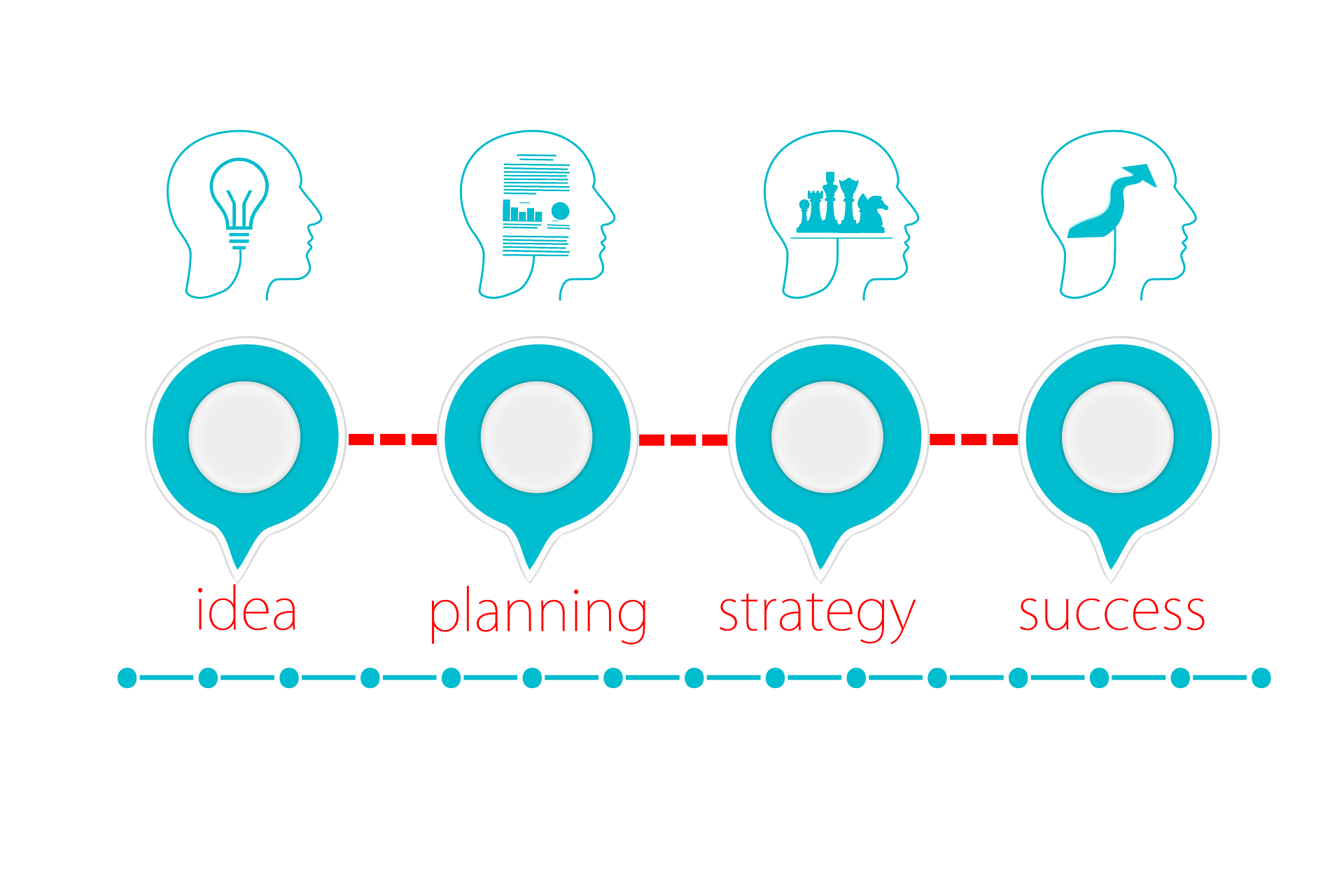
Bentley Moore Executive is relevant to project recovery and stabilisation because its experience is not limited to conventional project management. It includes direct recovery, urgent stabilisation, delivery assurance, supplier intervention, governance repair, operational-readiness assessment, service transition, SIAM, technical troubleshooting and senior advisory work across complex public-sector, financial-services and supplier-led delivery environments.
The evidence demonstrates the ability to enter difficult delivery situations where projects, programmes or urgent delivery environments have already become unstable, unclear, delayed, under-controlled or exposed to material risk. In those circumstances, Bentley Moore Executive’s value lies in establishing the true position, identifying why control has weakened, clarifying the consequences, supporting leadership decisions and creating a practical route back to control.
Senior-Level Recovery and Stabilisation Experience
Bentley Moore Executive brings senior-level experience of recovery and stabilisation where delivery environments involve C-level stakeholders, executive decision-making, supplier complexity, governance weakness, cost exposure, operational risk and delivery confidence concerns.
This is important because critical project recovery usually requires more than task-level project management. It requires the ability to understand the wider delivery environment, assess the seriousness of the position, challenge assumptions, engage senior stakeholders and provide practical recommendations that leadership can act on.
Direct Project Recovery Evidence
The DVSA finance insource and Deutsche Bank global data storage examples provide direct evidence of project recovery and stabilisation.
They show experience entering projects after delivery had already deteriorated, establishing the true position, identifying root causes, clarifying risk and cost exposure, improving governance, assessing supplier and contractual issues, supporting executive decision-making and defining a practical recovery route.
This gives Bentley Moore Executive direct relevance where an organisation is facing a critical project that is slipping, losing confidence, increasing cost exposure or requiring intervention beyond routine project management.
Urgent Stabilisation and Troubleshooting Capability
The Defra Avian Influenza, Defra infrastructure capacity crisis and Defra EU FVO compliance examples demonstrate the ability to act in urgent delivery environments where delay, weak coordination, supplier oversight failure, technical risk or policy-led delivery weakness created material organisational exposure.
This matters because project recovery and stabilisation frequently requires timely intervention before problems become harder to control. Bentley Moore Executive has evidence of rapid assessment, practical mobilisation, governance engagement, supplier coordination, technical-risk clarification and delivery correction under pressure.
Governance, Supplier and Dependency Control
Bentley Moore Executive has experience repairing governance and improving delivery control where existing arrangements were not providing sufficient visibility, assurance or decision support.
This includes governance reset, PMO reporting validation, escalation route clarification, supplier recovery planning, supplier-dependency review, service integrator and systems integrator considerations, contractual delivery issues, SLA implications, multi-supplier operating models and decision-right clarification.
This is relevant because critical projects often deteriorate where accountability is unclear, supplier responsibilities are contested, dependencies are unresolved, reporting is unreliable or governance forums are not supporting decisions quickly enough.
Service Transition, SIAM and Operational Readiness
Bentley Moore Executive’s experience includes service transition, SIAM, supplier exit, operating-model change, organisation redesign, operational readiness and transition from transformation into BAU.
This is important because troubled projects rarely fail only inside the project plan. They affect the receiving organisation, the future service model, operational processes, supplier responsibilities, business readiness, service-readiness criteria and BAU control.
Where project recovery depends on the organisation being ready to operate the outcome, Bentley Moore Executive can assess whether the transition route, operational-readiness position and BAU alignment remain credible.
Public and Private Sector Delivery Environments
The evidence spans central government, executive-agency, financial-services, investment-banking, supplier-led and outsourced delivery environments.
This range is important because project recovery and stabilisation problems are rarely one-dimensional. They often involve a combination of delivery, governance, supplier, commercial, operational, financial, technical and stakeholder-control issues.
Bentley Moore Executive’s experience across different environments supports the ability to recognise patterns of failure, diagnose root causes and adapt the recovery approach to the delivery context.
Practical Intervention Rather Than Generic Advice
Bentley Moore Executive’s value is practical intervention, not generic commentary.
The evidence shows direct involvement in establishing the delivery position, reviewing the facts, identifying root causes, defining recovery actions, strengthening governance, supporting executive decisions, improving supplier and dependency control, clarifying operational-readiness requirements and helping delivery environments move from uncertainty into controlled action.
This matters where leadership needs an experienced independent view and practical support, rather than further reporting that describes the problem without restoring control.
Credibility for Project Recovery and Stabilisation
Bentley Moore Executive is credible for project recovery and stabilisation because the evidence demonstrates direct recovery experience, recovery-relevant programme experience, urgent delivery stabilisation, technical troubleshooting, governance repair, supplier-control improvement, service-transition assurance and senior decision support.
The common thread across the examples is the ability to enter complex delivery environments, establish what is really happening, clarify why control has weakened, identify the risks and decisions that matter, and help leadership move towards a realistic recovery route.
Need Project Recovery & Stabilisation Support?

Next Steps
If your critical project is slipping and routine escalation is not restoring control, leadership needs a clear view of the true position and realistic recovery options.
Bentley Moore Executive supports project recovery, delivery stabilisation, independent project review, project health check, delivery assurance review and practical recovery intervention.
Contact Bentley Moore Executive to discuss your current position.